
Rhubarb Wine Recipe
02 Apr
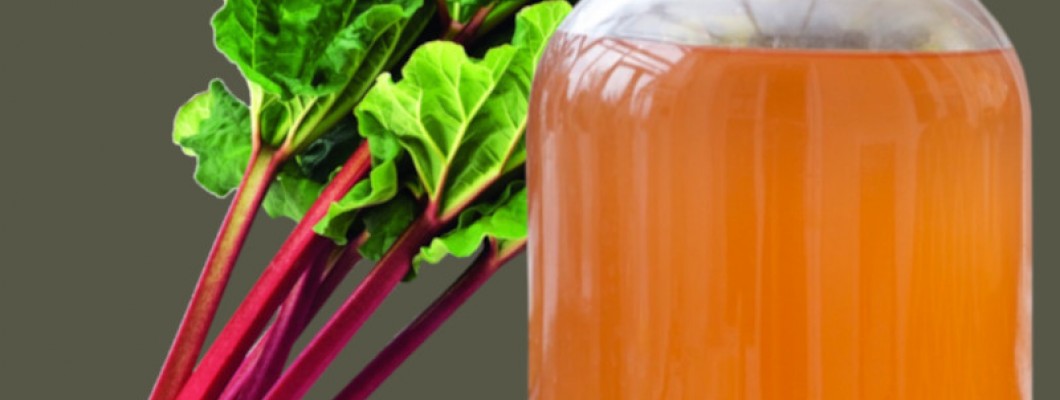
Fresh rhubarb is in season from April until June and this recipe produces 4.5 litres of crisp, delicate white wine. 6 - 12 months maturation will reduce the acidity of the rhubarb.
Wine Ingredients
- 2½ kg Rhubarb
- 250ml Vinclasse White Grape Concentrate
- 1 kg Vinclasse Brewing Sugar
- 1 packet of Vinclasse All Purpose White Yeast
- 1 Teaspoon Vinclasse Yeast Nutrient
- ½ Teaspoon Vinclasse Wine Tannin
- 1 Teaspoon Vinclasse Pectolase
- 3½ Litres Cold Tap Water
You will also need Campden Tablets, Fermentation Stopper and Finings for the finished wine.
Equipment
- 1 x 12.5 Litre Fermenting Bucket With Lid, 1 x 5 Litre Fermenting Buckets With Lid and Airlock
- 1.25m Syphon Tube
- Plastic Paddle / Spoon
- Hydrometer and Trial Jar
- Nylon Straining Bag
- Steriliser Tablets
Method
- Following the instructions on the steriliser tablets, sterilise anything that will come into contact with the wine and rinse thoroughly.
- Cut the rhubarb stalks into short pieces and crush them in the sanitised 12.5L fermenting bucket. Pour the cold water over the contents together with the rest of the ingredients. (Please note, hot water should not be used as this can release oxalic acid from the rhubarb into the wine. The leaves should never be added to the liquid.) Stir thoroughly.
- Cover the bucket loosely with the lid and leave to ferment in a warm place for 5 days. Stir the contents of the bucket daily with a sterilised spoon. Then strain into the sterilised 5 Litre fermenting bucket, through the nylon straining bag. Press as much as possible and discard the pulp. It may be necessary to top up with cooled boiled water to 4.5 litres.
- Now fit the lid with an airlock with about half a centimetre of water in the airlock
- Keep the fermenting bucket where the temperature can be maintained at 20-25C. At this temperature fermentation should take 2-4 weeks. If cooler the fermentation time may be longer.
- Once signs of fermentation cease, draw off some wine into a sterilised trial jar and test with the hydrometer. If you have 2 readings that are the same 48 hours apart the wine is ready for the next stage.
- At the end of fermentation add 1 crushed Campden tablet and half a teaspoon of fermentation stopper. Leave in a warm place for 3 days to kill off the yeast. Then, leave the wine in a cool place (15 °C) to clear before siphoning it from the sediment.
- Country wines often do not clear on their own, so winemakers should add finings after fermentation. When clear you can pass the wine through a filter to obtain a professional finish before bottling.
- Store in a cool, dark place to mature for at least 6 months, to allow the acidity to reduce and leave a crisp, delicate wine.